
'/%3e%3cdefs%3e%3clinearGradient%20id='prefix__paint0_linear_4737_37157'%20x1='3.018'%20y1='23.6'%20x2='44.925'%20y2='24.977'%20gradientUnits='userSpaceOnUse'%3e%3cstop%20stop-color='%231CB7FF'/%3e%3cstop%20offset='.502'%20stop-color='%232FF58B'/%3e%3c/linearGradient%3e%3c/defs%3e%3c/svg%3e)

From Mallaig and Eriskay to Dulwich, these are Britain's 20 most jaw-dropping places to watch football, with hidden gems and stunning backdrops - by groundhopper who's been to more than 5,000
Dec 17 2025 10:16 · By James Sharpe · 11 Reads


Modern football, as we all know by now, is too expensive, too corporate and too soulless. It's a far cry from the game we grew up loving. And just wait until the World Cup comes around with its dynamic ticket prices and three-minute ad breaks.
Look hard enough, though, and there is still joy to be found beyond the concrete jungles, identikit stadiums and £6 pints. Know where to adventure and you can still find the quirks and character of the beautiful game.
Steve Broughton knows where to look. The 57-year-old is what’s known as a 'groundhopper', someone who spends their days travelling to as many different places across the country, and the world, to watch football.
Forget ‘Doing the 92’. Steve has visited a staggering 5,630 grounds and travelled almost a million miles, in a hobby that’s stretched more than 40 years and sees him take in around 150 new grounds per season.
He’s watched matches on pitches built into former quarries and clay pits, ones surrounded by Elizabethan town walls, ones in the shadows of Ben Nevis and Hebridean islands, ones where the kick-off times are dictated by the ferry timetable, and ones where a line of field guns stand behind the goal.
Steve was born in Leicester, a Foxes fan, but grew up in London. One Saturday afternoon in his mid-teens, with nothing better to do, he went along to watch his local non-league side Feltham. ‘They lost 4-0, but I was hooked,’ he tells Daily Mail Sport .
Steve Broughton has visited a staggering 5,630 grounds and travelled almost a million miles, in a hobby that’s stretched more than 40 years
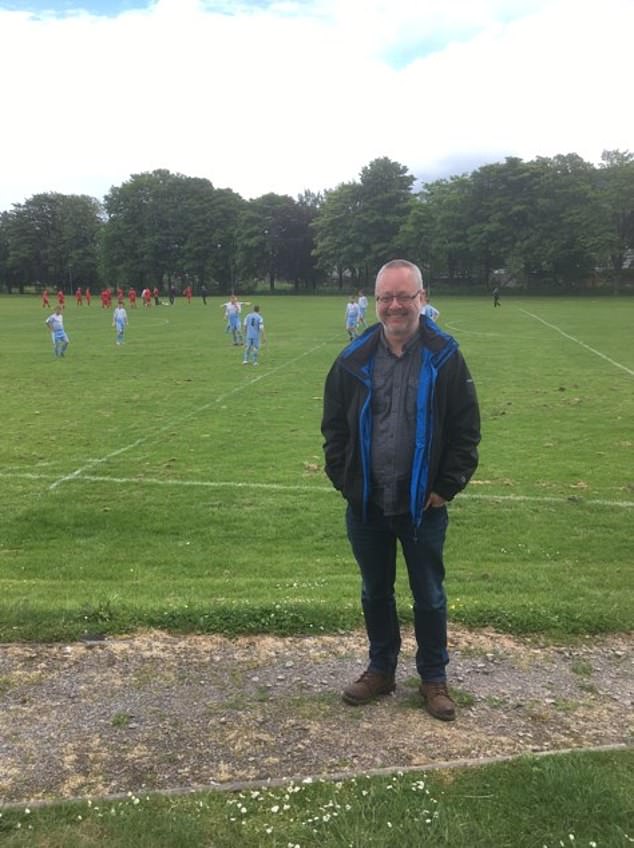
The 57-year-old is what’s known as a 'groundhopper', someone who spends their days travelling to as many different places across the country, and the world, to watch football
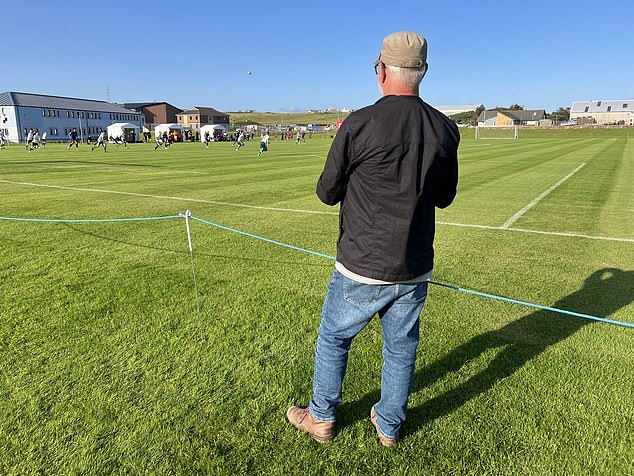
He started to visit other local non-league clubs when Feltham weren’t playing and, when he moved to college in Hampshire, decided that visiting a new ground each Saturday was more fun than returning to the same place over and over again. He was now officially a groundhopper.
‘I love watching football but I also love travelling and visiting new places – everywhere has something interesting about it,’ he says. ‘And of course I enjoy the “collecting” aspect of ticking things off lists.
‘Non-league football has enjoyed a resurgence in recent years, as more supporters turn away from the overpriced and overhyped professional game. It is affordable football – many of the games I go to are free to watch. Groundhopping allows you to see the country, and even the world.’
Steve makes it clear that he’s not claiming any sort of record, mind you. ‘I know of people who have been to more... albeit not many.’
Now living in Prestwich, north of Manchester, he added another couple to his tally this past weekend with a trip to the North East for a Saturday double-header.
He spent the morning watching a 2-2 draw between Stockton Athletic Church and St John’s Church Snods Edge in the North East Christian Fellowship League – he was the sole spectator – before a 30-mile drive for Barnard Castle at home to Seaton Carew in the Alan Hood Charity Cup semi-finals. His eyesight was fine enough to see Barnard Castle win 4-1.
Those two matches took his running total to 5,630. For nearly 15 years, he’s posted about every one on his blog . And for those who may wish to make their own pilgrimages to escape the emptiness of the modern game, these are his 20 must-see grounds, in his own words...
1. The Stanks , Berwick-upon-Tweed
Opened: 1755 Home to: Berwick Charities Cup Capacity: However many can squeeze onto the grass bank
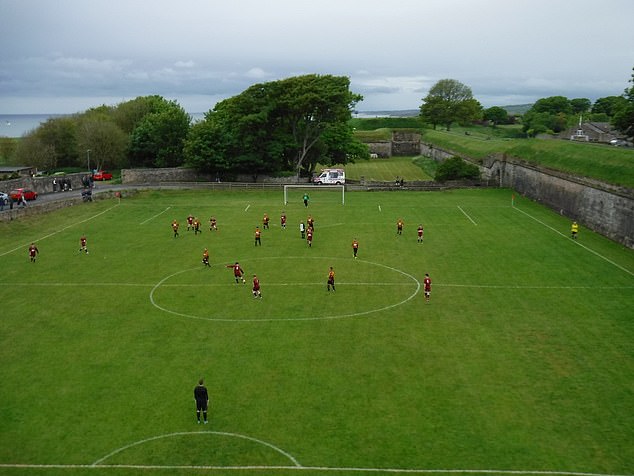
If you go past The Stanks at any time other than spring and early summer, you’d never know it was a football ground. But for a few weeks at the very end of the football season a pitch is marked out, goalposts are erected, and it becomes the venue of the annual Berwick Charities Cup.
Competing teams are a mixed bag of established clubs and teams put together just to take part in the tournament. They play on a pitch that’s overlooked by Berwick’s Elizabethan town walls. If you’ve a head for heights, and you take care, there’s a good view from the top of the wall. You’ll even find some benches to sit on.
The cup has been run each year since 1948. Spectators usually gather in numbers (there were close on a hundred the day I went) and their donations help the charities the tournament is there to support.
If you go past The Stanks at any time other than spring and early summer, you’d never know it was a football ground
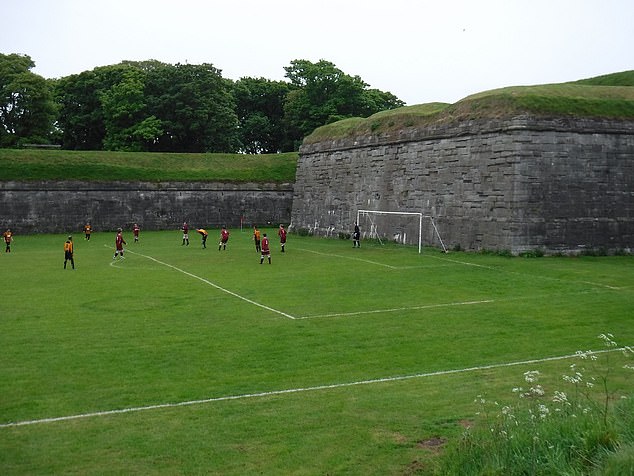
But for a few weeks at the very end of the football season a pitch is marked out, goalposts are erected, and it becomes the venue of the annual Berwick Charities Cup
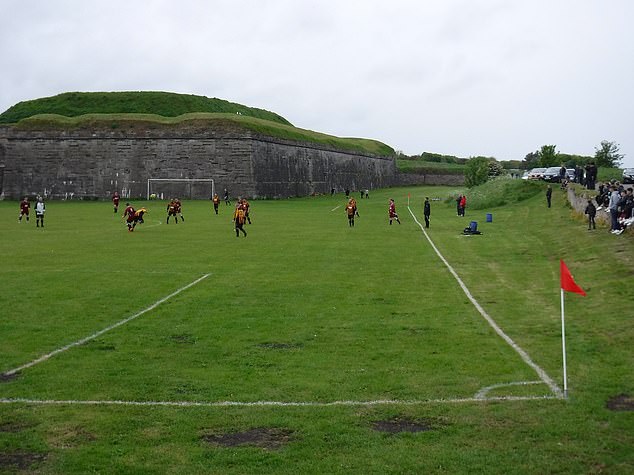
The pitch is overlooked by Berwick’s Elizabethan town walls, and you can look out to the North Sea too
2. Cathkin Park, Glasgow
Opened: 1884 Home to: Third Lanark AFC Capacity: 50,000 once upon a time... not so much now!
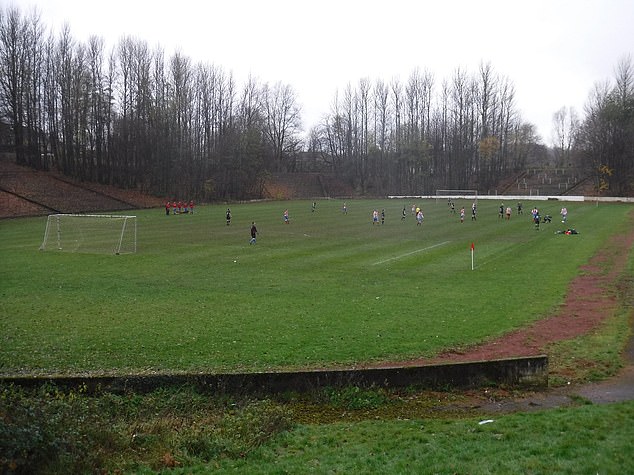
Some old grounds appear almost haunted by the players and supporters of years gone by. Cathkin Park was home to Scottish club Third Lanark until they went out of business in the 1960s.
Remarkably, the pitch has survived the decades since, as has some of the terracing from where spectators would once have watched ‘The Hi-Hi’ – Third Lanark’s nickname – compete against the like of Celtic and Rangers. In the early 20th century they were serious players at the top of Scottish football, winning the title in 1904 and the Scottish Cup twice.
It's mostly used for youth football these days, but I was lucky enough to see an adult match there a few years ago in one of Glasgow’s Saturday morning amateur leagues, as United Clydebank Supporters beat Hampden FC 5-2.
Watching from the terracing, leaning on crush barriers (which are, I think, a more recent addition by those determined to preserve what remains of the stadium) was an eerie experience.
Some old grounds, like Glasgow's Cathkin Park, appear almost haunted by the players and supporters of years gone by
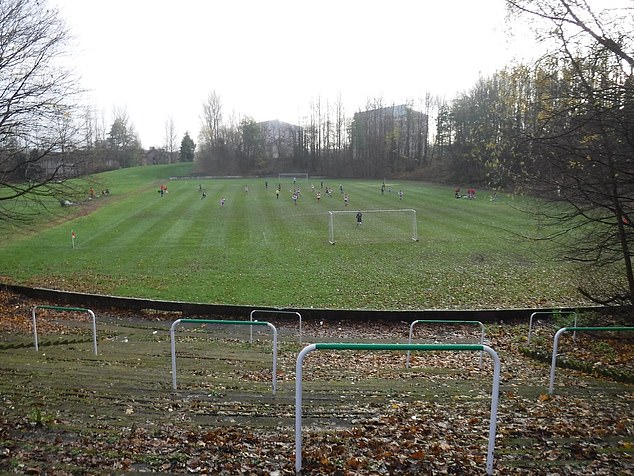
The pitch has survived the decades since Third Lanark's heyday in the 1960s, as has some of the terracing from where spectators would once have watched ‘The Hi-Hi’
3. Tottenham Hotspur Stadium, London
Opened: 2019 Home to: Tottenham Hotspur Capacity: 62,850
My real love of groundhopping is based on visiting quirky places for non-league football. Dutiful visits to the occasional new grounds in the Premier League or EFL can feel like a chore, but Tottenham’s new stadium is very much the exception.
When I went in 2020, a midweek FA Cup replay against Middlesbrough being the easiest way to get a ticket, I declared it the best ground in the UK, and up there with the best in Europe.
I’m sure that’s still the case. Most newer professional football grounds are so similar that, if it wasn’t for the colour of the seats, you could forget where you were.
But Spurs’ home is like no other. It’s built on a scale that’s even more remarkable when you consider that it had to be constructed on the same hemmed-in site as its predecessor White Hart Lane.
Tottenham Hotspur's new stadium, built in 2019, is arguably the best ground in the UK and up there with the best in Europe
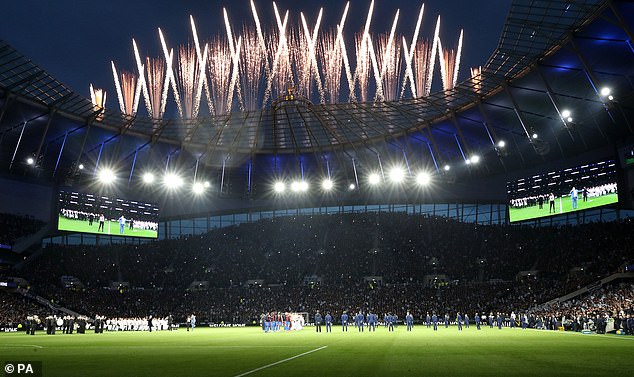
The 62,850-capacity arena hosts all sorts of events, including NFL matches (pictured), boxing bouts and concerts

4. Mallaig
Opened: 2006 Home to: Mallaig Capacity: C. 100-200
Artificial pitches enclosed by a high caged fence are the scourge of modern groundhopping. A series of identikit football grounds usually plonked in the grounds of a school or sports centre.
But Mallaig’s pitch, adjoining Mallaig High School, is different. No other such ground offers a comparable view. If you’re lucky enough to visit on a clear day, you can see across to the small Hebridean islands of Rum, Eigg and Muck.
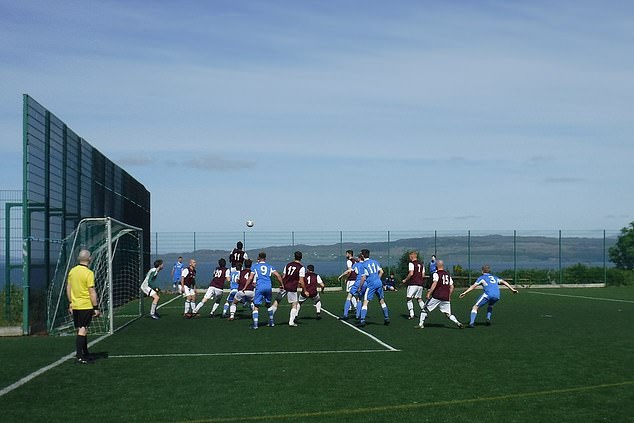
Mallaig play in the West Highland Amateur League, a summer competition involving clubs from Skye and Scotland’s north-west coast. There’s no shortage of scenic venues.
My game there - a 4-3 home win over Portree, Skye's capital - was on a Saturday morning, the kick-off time determined by the ferry schedule.
After the match the away team, the referee, my partner and I all headed straight to Mallaig’s ferry terminal to get the boat across to Skye. They were heading home, whereas we had another match to get to.
No other ground offers a comparable view to Mallaig's. If you’re lucky enough to visit on a clear day, you can see across to the small Hebridean islands of Rum, Eigg and Muck
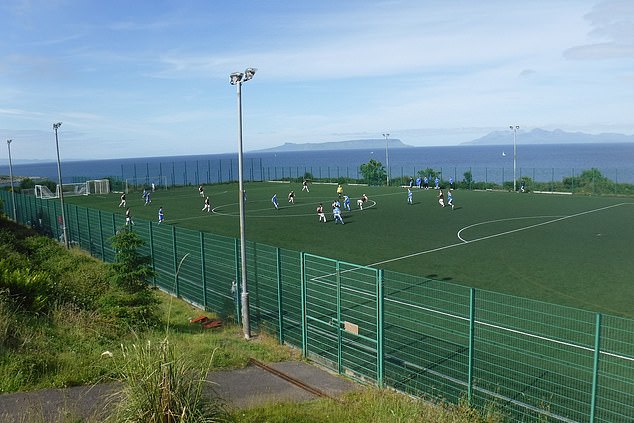
Mallaig play in the West Highland Amateur League, a summer competition involving clubs from Skye and Scotland’s north-west coast
5. Iodine Park, Millhead, Lancashire
Opened: 1950s at the latest Home to: Millhead FC Capacity: C. 300-400
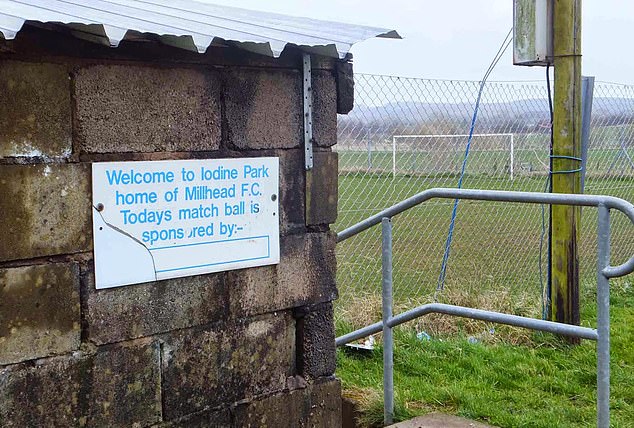
Iodine Park is a perfect example of the idiosyncratic football venues that lurk in the lower leagues. It’s built in a former quarry, with the stone face behind one goal also popular with climbers.
The ground gets its Iodine Park name from the treatment given to the numerous cuts that players used to suffer in the 1950s and 60s, caused by bits of flint and stone.
At this level, players and fans can mix freely, even during the game. On my visit the ground’s one small stand was shared by supporters and substitutes.
If you don’t want to watch the action with those on the bench, you have the option of clambering up a grass bank on the far side.
Iodine Park was built in a former quarry, with the stone face behind one goal also popular with climbers
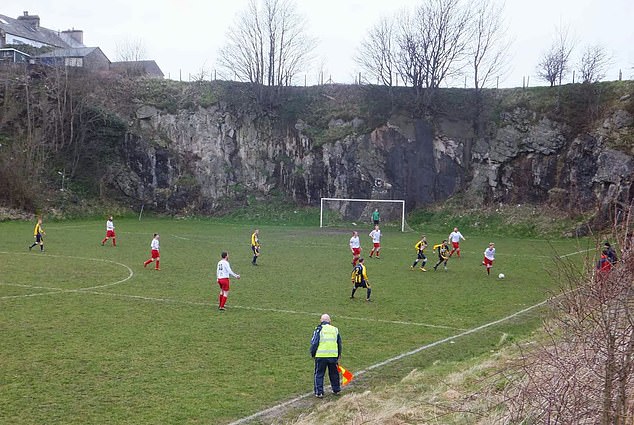
The ground gets its Iodine Park name from the treatment given to the numerous cuts that players used to suffer in the 1950s and 60s, caused by bits of flint and stone
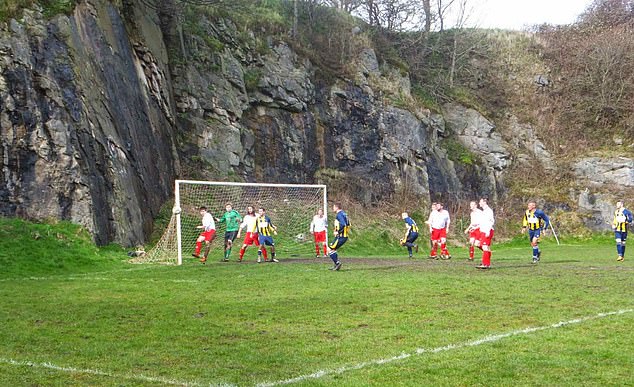
If you don’t want to watch the action with those on the bench, you have the option of clambering up a grass bank on the far side
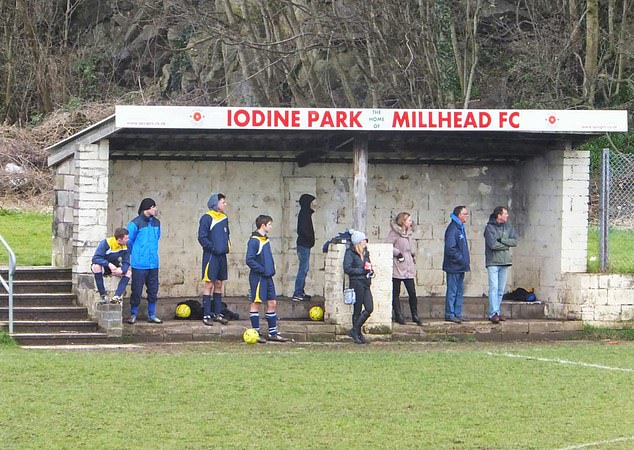
The ground is a perfect example of the idiosyncratic football venues that lurk in the lower leagues
6. The Oval, Belfast
Opened: 1892 Home to: Glentoran Capacity: 26,556
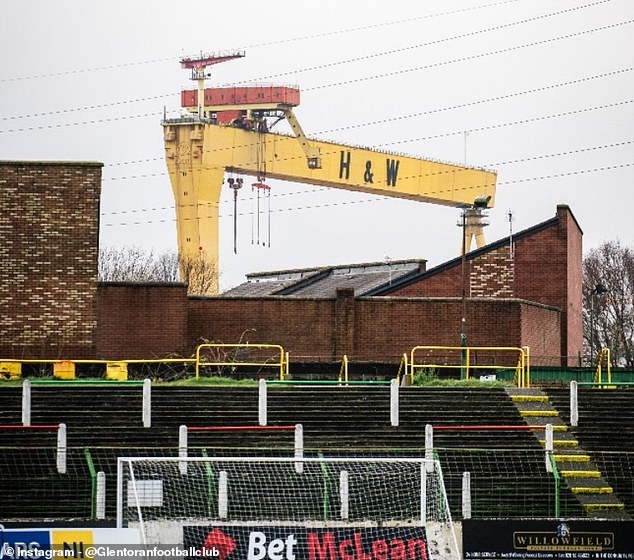
Glentoran’s ground is an absolute classic that ought to be on the Northern Ireland tourist trail alongside Belfast’s better-known landmarks. It’s close to the terraced streets of East Belfast, and, if you go on foot, you can also take in some of area’s famous murals.
Once inside the ground you can plonk yourself in a classic ‘old school’ main stand, steep open terracing behind both goals and, opposite the main stand, a covered area that was terraced back when I visited but now provides additional seating. You also get a great a view of another Belfast landmark, Harland and Wolff’s yellow Samson and Goliath cranes.
My visit in 1993 was only the second time I’d ever been to Northern Ireland. Being in the days before budget airlines, it involved an arduous overnight journey by coach and ferry. The Belfast of now is very different to back then but, despite some modernisation, The Oval remains mostly unchanged.
That said, plans for a redevelopment of the stadium are afoot, so if you want to see The Oval in its current glory, then try to go sooner rather than later.
Glentoran’s ground is an absolute classic that ought to be on the Northern Ireland tourist trail alongside Belfast’s better-known landmarks
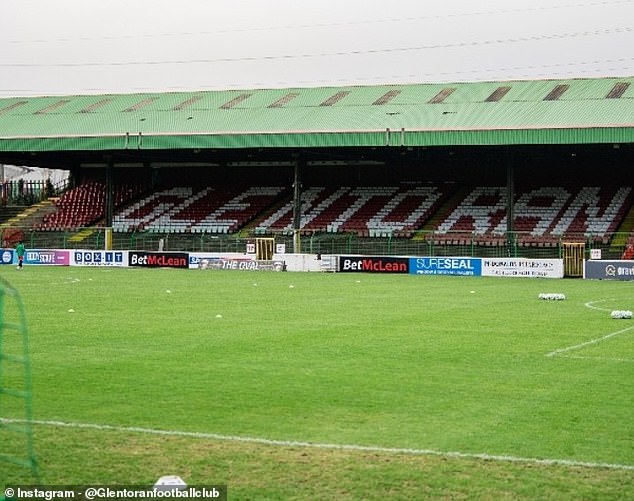
Once inside the ground you can plonk yourself in a classic ‘old school’ main stand or the steep open terracing behind both goals
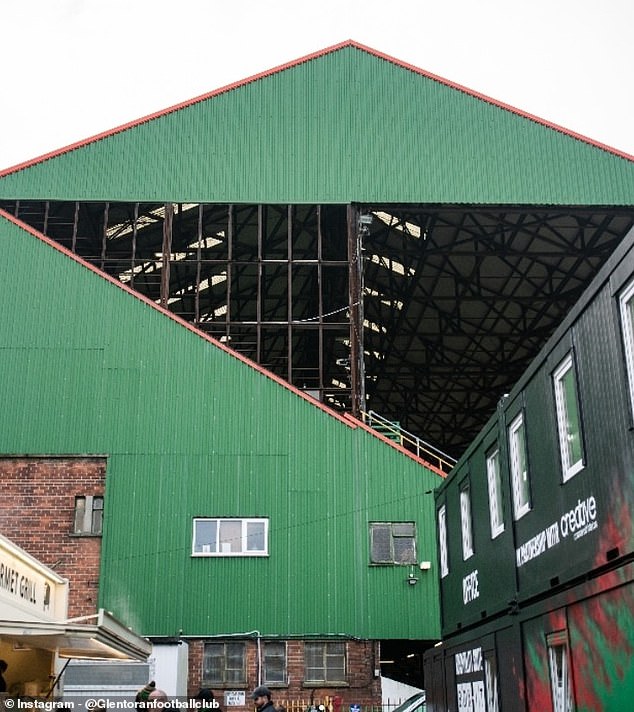
You get a great a view of another Belfast landmark, Harland and Wolff’s yellow Samson and Goliath cranes, from the ground
7. Glebe Park, Brechin
Opened: 1919 Home to: Brechin City FC Capacity: 4,083
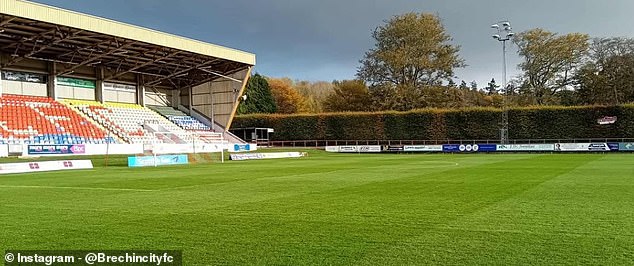
You don’t go to football grounds to admire topiary but you can, sort of, at Brechin City’s Glebe Park. The ground’s boundary hedge hasn’t been pruned into the shape of anything other than a hedge, but it’s unique in Scotland’s senior leagues as it forms part of the boundary of the ground.
But that’s not all there is to admire at the club, currently in the Highland League and battling to regain their place in the SPFL. The main stand is delightful, and you can get a great view of the whole place from a large modern stand behind the goal.
I went for an opening day fixture in July, when a new-season lick of paint helped show off Glebe Park at its best, immediately making it one of my favourite football grounds. And, being in Scotland, even in the summer you can enjoy a pie and Bovril while watching the action.
The hedge at Glebe Park is unique in Scotland's senior leagues as it forms part of the boundary of the ground
8. Armoury House, London
Opened: 1725 (as a cricket ground) Home to: The Honourable Artillery Company Capacity: C. 3,000 (of full Artillery Ground facility)
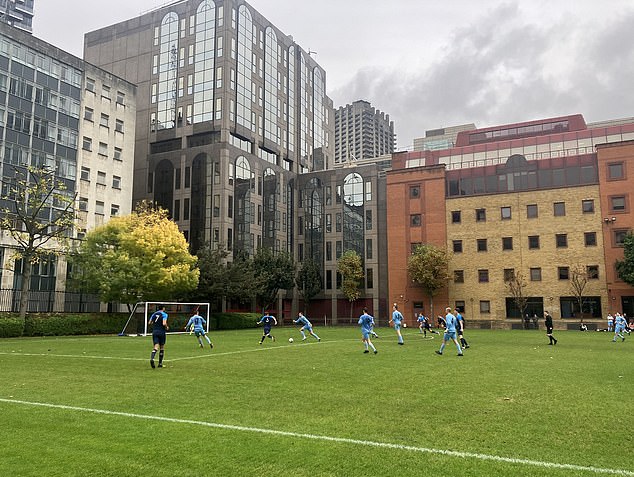
As far as I know there are no football grounds within the City of London, but the Honourable Artillery Company’s spiritual home, Armoury House, is as close as you can get. It’s in between City Road and Bunhill Row, and surrounded by gleaming office blocks that make it easy to miss.
Once inside – and, being a military establishment, you need to organise it in advance, no walk-ins – it’s a sports ground with space for a cricket square and three pitches, accommodating rugby as well as football. Tall city offices loom over the pitch, while a line of field guns behind one goal must be unique.
Honourable Artillery Company (or HAC as they’re usually known) don’t often get to play home games at Armoury House, but when they do it’s a venue that’s well worth a visit. As long as you get your name on the list before you turn up.
Armoury House is in between City Road and Bunhill Row, and surrounded by gleaming office blocks that make it easy to miss
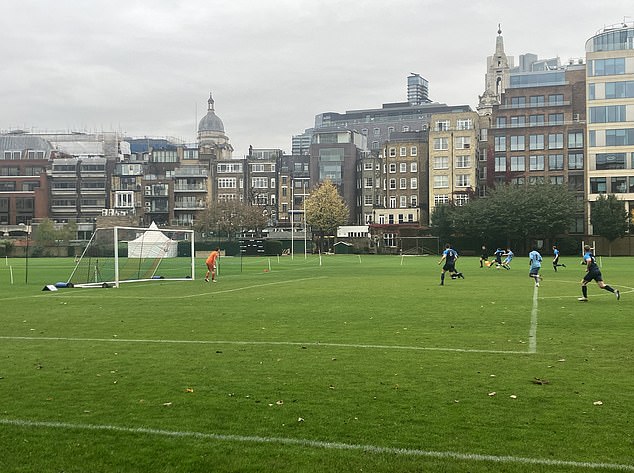
Tall city offices loom over the pitch, while a line of field guns behind one goal must be unique
9. Mount Hale, Alderney
Opened: Early 20th century at the latest Home to: Alderney FC, Alderney Official Football Team Capacity: C. 1,500
I can’t think of any other UK football grounds that are a pleasant stroll from the local airport. It takes about 40 minutes to walk from Alderney airport, through the island’s ‘capital’ St Anne, to Mount Hale, home of Alderney FC.
Alderney’s big football fixture each season is the island’s home Muratti Vase semi-final against either Jersey or Guernsey.
Apart from 1920, when Alderney got a bye to the final and upset the odds by winning it, the prize has always gone to one of the big two. In fact, Alderney haven’t won a Muratti Vase tie since their 1920 triumph.
My partner and I tried to visit for the semi-final against Guernsey in 2011, only to be scuppered when our plane suffered a technical fault on the runway at Manchester Airport.
Instead, we rebooked for a few weeks later, and went to see the island’s one league team, then called Bavaria Nomads due sponsorship a deal. These days they play as Alderney FC, but are still in Guernsey’s second division, competing against the reserve sides of clubs from the bigger island’s top flight.
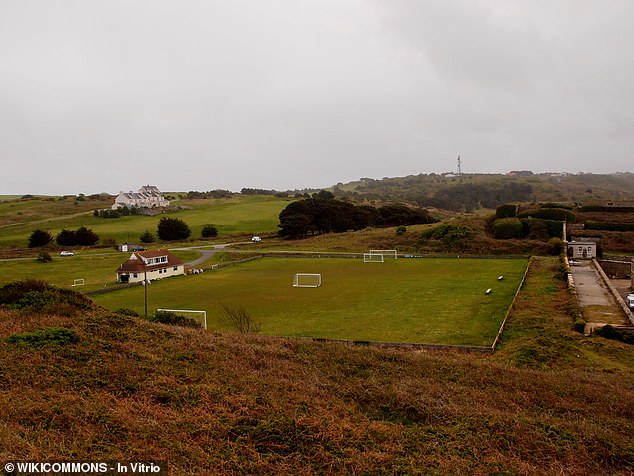
It takes about 40 minutes to walk from Alderney airport, through the island’s ‘capital’ St Anne, to Mount Hale, home of Alderney FC
10. Cadbury Recreation Ground, Bournville
Opened: 1896 Home to: Cadbury Athletic FC Capacity: C. 1,500
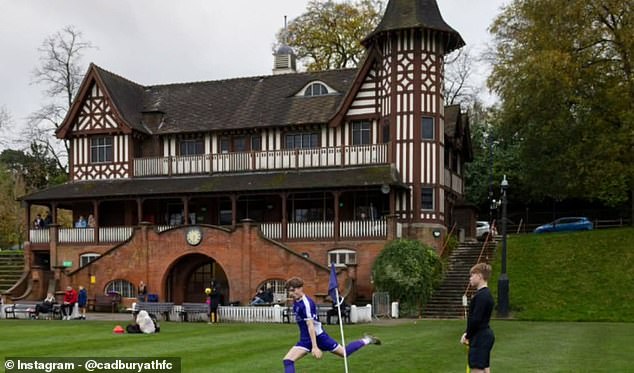
Bournville was a model village built by the Quaker Cadbury family for the workers at its chocolate factory. Sport was seen as important to a healthy lifestyle, and so the residents/employees were provided with their own sports ground.
Its centrepiece, albeit a centrepiece positioned behind one goal, is a glorious timber-framed pavilion. It was built in 1902 to mark the coronation of Edward VII, and has been the backdrop to many a groundhopper’s action photos.
The ground, like all of Bournville, remains incredibly neat and tidy. One thing it lacks, and is unlikely to ever have, is floodlights. So, in need of a floodlit ground capable of staging football in higher leagues, Cadbury Athletic’s first team have this season decamped to another home ground. Their junior sides still use the venue though.
Every good ground feels even more special with a memorable game, and the 10-goal thriller I was lucky enough to see - a 6-4 win for Cadbury against Park Rangers in 1994 - made for a great afternoon’s entertainment.
There is a glorious timber-framed pavilion at the Cadbury Recreation Ground in Bournville, built in 1902 to mark the coronation of Edward VII
11. Victoria Bottoms, Nanpean
Opened: 1936 Home to: Nanpean Rovers AFC Capacity: C. 1,000
Cornwall’s Nanpean Rovers are a great example of an unassuming local non-league football club whose ground exceeds all expectations.
There are plenty of scenic venues in the South West, often in or around the tourist hot spots, but few tourists head for industrial Cornwall, and fewer still to the former clay mining village of Nanpean.
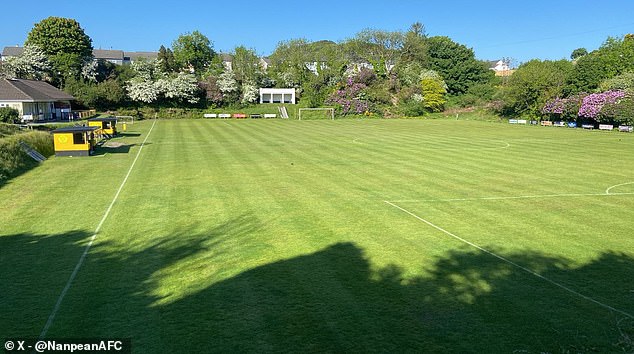
Those who do are usually football tourists heading to Victoria Bottoms, where what was a china clay pit is now a football ground.
It was apparently converted into a sporting venue by unemployed locals in the 1930s. Their hard work created a football ground surrounded by steep natural terracing. There are a couple of small stands, one at each end, a recently refurbished pavilion, and it’s one of the country’s most unusual venues.
Nanpean Rovers' Victoria Bottoms ground used to be a clay pit - and is now one of the country's most unusual venues
12. Cnoc Na Monadh, Eriskay
Opened: C. 1955 Home to: Eriskay FC Capacity: However many are on the island!
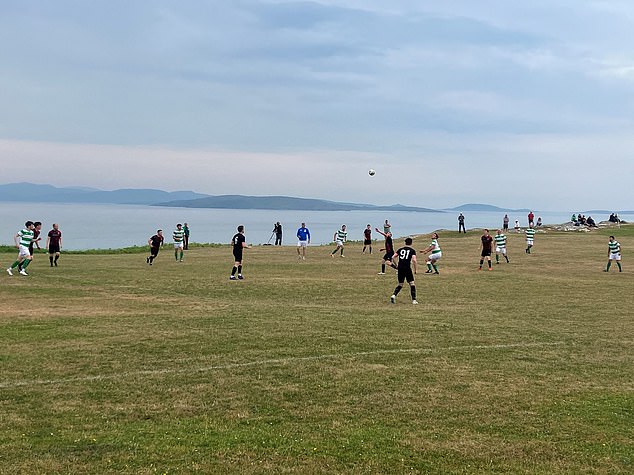
I’ve never had a groundhopping bucket list, but if I did then Eriskay would have been on it. The tiny Hebridean island has a team that competes each summer in the Uist and Barra League, playing on a unique pitch that FIFA have recognised as one of their ‘eight remarkable places to play football’.
The tiny pitch seems to slope in all directions at once, and is at the heart of the island’s community. When Eriskay (population of about 150) play at home, the locals turn out to support them, and after the match everyone heads to the island’s sole pub, Am Politician, to discuss the action.
It took me three attempts before I finally saw a game at Cnoc Na Monadh, in 2023. I travelled for a cup tie that was switched to a pitch in Benbecula, and then a match was postponed just hours before kick off. There are worse places to have to return to though, and it was worth the effort to finally see a match there.
FIFA have recognised Eriskay FC's pitch as one of their ‘eight remarkable places to play football’
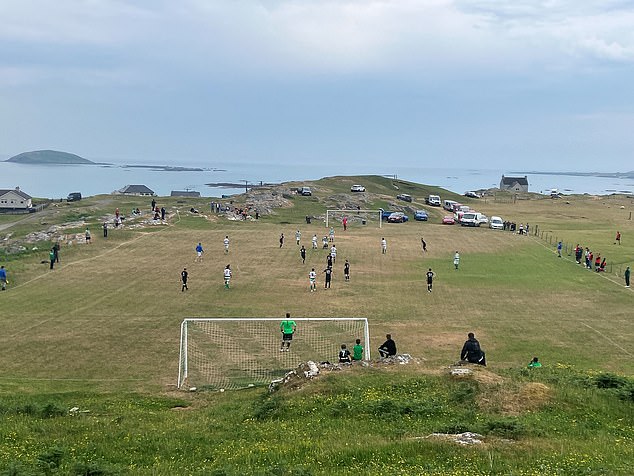
The tiny pitch seems to slope in all directions at once, and is at the heart of the island’s community
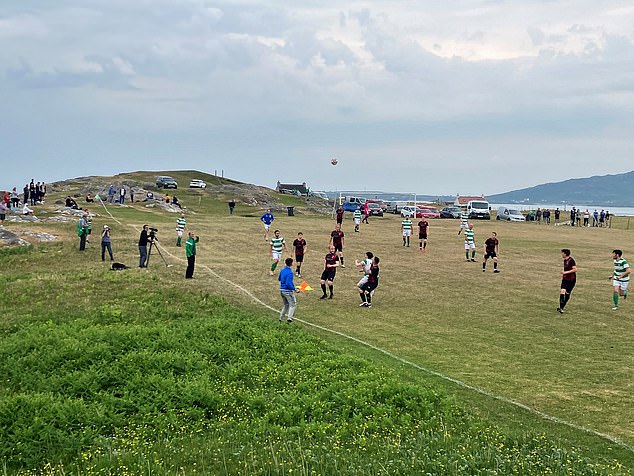
It's well worth the effort to see a match on the Hebridean island, with beautiful views all around
13. Champion Hill, London
Opened: 1992 Home to: Dulwich Hamlet Capacity: 3,000
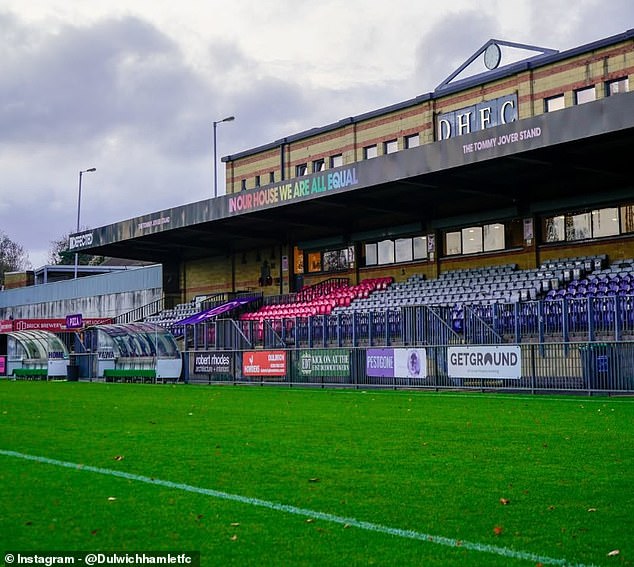
Champion Hill has had two incarnations. The original ground, which I first visited in 1986, was a classic example of the type of large London non-league stadiums that are, sadly, a thing of the past. There was a seated stand on one side and terracing that was, by the 1980s, only sparsely populated.
Within a decade the ground had a makeover. The ‘new’ Champion Hill, which opened in 1992, is smaller in scale and unrecognisable from its predecessor. But what makes it a ground worth visiting now is the transformation in its support.
Whereas a few ageing diehards used to gather on the terraces, these days the club has tapped into the local community with an offer of affordable football that’s as much about a social gathering as watching the action.
My return visit was for a cup tie against a youthful Leyton Orient side, a low-key fixture with a smaller than normal crowd. But the place still had a buzz that was lacking back in 1986. Four figure crowds are now the norm for league games, and craft beers and excellent food make it a perfect antidote to the Premier League.
What makes Champion Hill a ground worth visiting now is the transformation in Dulwich Hamlet's support since the 1980s
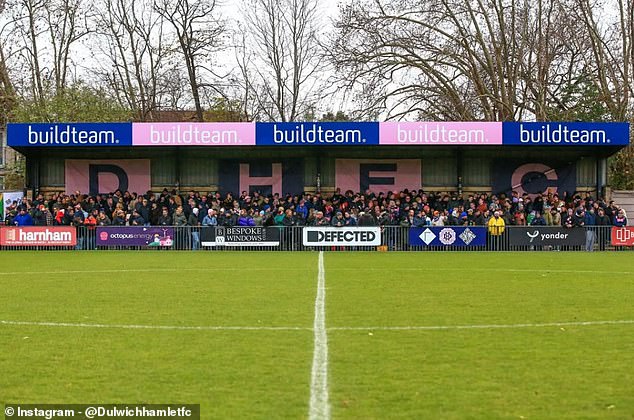
The club have tapped into the local community with an offer of affordable football that’s as much about a social gathering as watching the action
14. Wellesley Recreation Ground, Great Yarmouth
Opened: 1892 Home to: Great Yarmouth Town Capacity: 3,600
It’s the grandstand that makes Great Yarmouth’s Wellesley Recreation Ground a must-see football ground. It opened in 1892 and, unlike many football structures of a similar vintage, is still in use. It’s believed to be the oldest surviving football stand in England.
Its array of pillars means watching football from inside the stand can be a frustrating experience. But if you go to a Great Yarmouth Town home game you’ll really want to sit or stand on the opposite side, so you can admire its beauty as a fitting backdrop to the beautiful game.
As an added bonus, the ground is just a hefty sliced clearance from the beach.
It’s the grandstand that makes Great Yarmouth’s Wellesley Recreation Ground a must-see football ground - it's believed to be the oldest surviving football stand in England
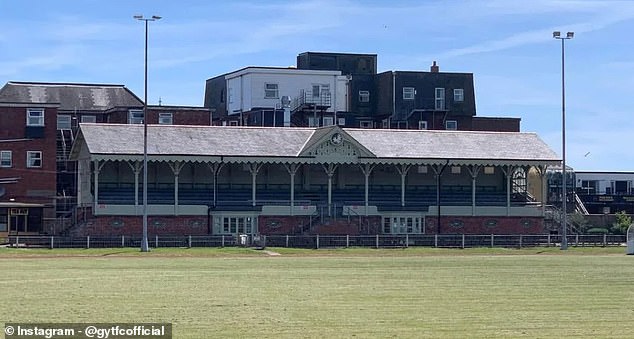
15. Gwynfi Welfare Ground, Blaengwynfi
Opened: 1901 Home to: Gwynfi United Capacity: C. 400-500
There’s no shortage of scenic football grounds in Wales. Gwynfi United’s home goes under the radar compared to some, probably because these days they play in the very lowest level of local football, the Port Talbot and District League.
I visited last season, tempted by a lunchtime kick-off that gave me the opportunity to visit a second game, and tick off a second ground, later the same day.
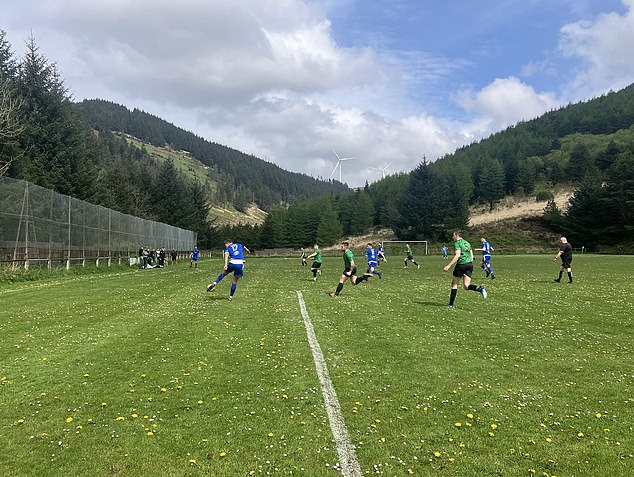
The club used to play several leagues higher, which is why the Gwynfi Welfare Ground – the name reveals the area’s mining heritage – is surprisingly well equipped. The pitch is tightly enclosed, and there’s a raised terrace and a small stand. The changing rooms are in a small building in the corner that also houses a snack bar.
But the standout feature is the setting. The ground sits high up on the edge of the village, and there are stunning views all around.
There’s no shortage of scenic football grounds in Wales and Gwynfi United’s home goes under the radar compared to some
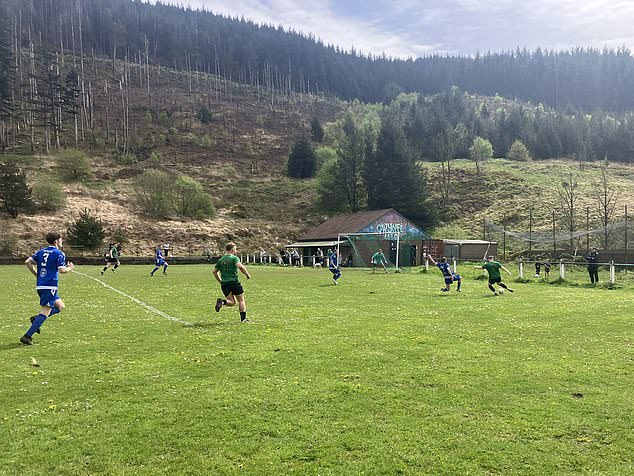
There is much to like about the ground but the standout feature is the setting. It sits high up on the edge of the village, and there are stunning views all around
16. Claggan Park, Fort William
Opened: 1974 Home to: Fort William FC Capacity: 1,800
Fort William gets more than its fair share of tourists, no surprise given its location at the foot of Ben Nevis. The town’s football club gets plenty of visitors as well. Many were tempted north when the club achieved notoriety thanks to being dubbed, a few years ago, as ‘Britain’s worst football team’.
Competing in the Highland League, while out on a limb geographically and in an area where shinty is the number one sport, was a tough ask. The league’s bottom place became their own.
I saw them lose a cup tie, heavily, against a Shetland team whose journey, via ferry and coach, had been even more arduous than mine. These days Fort play in the more forgiving North Caledonian League.
Much like the town itself, Claggan Park is functional rather than beautiful. But, again like the town, it’s the views that are the attraction. On a clear day Ben Nevis looms over the pitch. On a less clear day, and chances are that’s what you’ll get during the football season, it feels wonderfully atmospheric.
The views at Fort William's Claggan Park are beautiful - with Ben Nevis and the Grampian Mountains the main attraction
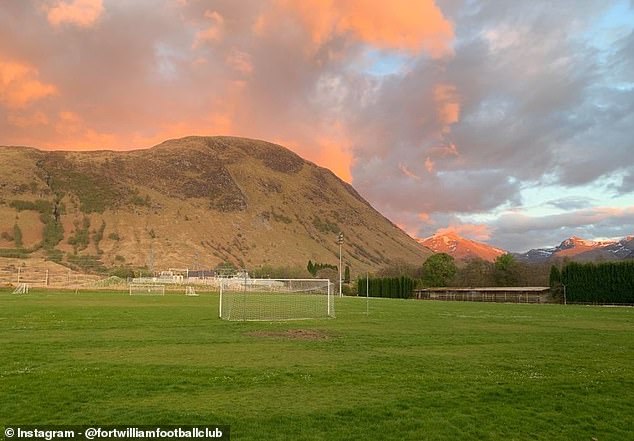
17. Newlandsfield Park, Glasgow
Opened: 1928 Home to: Pollok FC Capacity: 2,088
Old-fashioned terraced football grounds used to be a staple of what was, until recently, called ‘junior football’ in Scotland. Junior football had nothing to do with the age of the players, and many junior clubs had crowds that lower division SPFL sides could only dream of, with playing budgets to match.
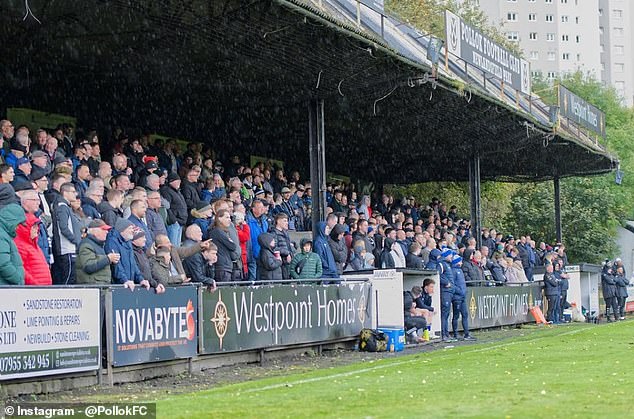
These days the old junior clubs have become absorbed into Scotland’s senior ranks, and some of the old grounds have been replaced by more modern, and less interesting, venues. But Pollok’s Newlandsfield Park remains, close to the centre of Glasgow and still – as far as I’m aware – without such modern luxuries as seats.
Instead, there’s terracing all around, including a large covered section. For years junior football was such a distinct entity that junior teams never entered the Scottish FA Cup, but by the 2000s that began to change. I saw Pollok lose narrowly, and unluckily, in a cup reply against Montrose, with nearly 2,000 people squeezed onto the terracing.
Pollok’s Newlandsfield Park is still going strong close to the centre of Glasgow and still without such modern luxuries as seats
18. Ironworks Ground, Tow Law
Opened: C. 1890 Home to: Tow Law Town Capacity: 3,000
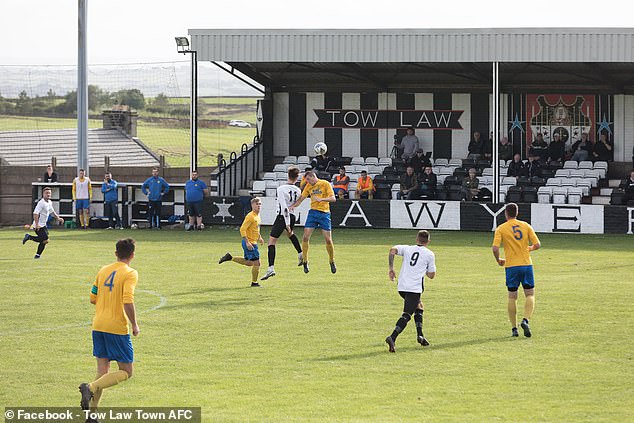
No list of essential football grounds to visit would be complete without at least one in the North East. Tow Law’s Ironworks Ground may only be the second highest in England, after Buxton, but it lays claim to being the coldest.
It was originally built by striking miners in the Victorian era, but has been rebuilt and upgraded several times since then. These days there’s a seated stand on one side, cover behind the far goal and a clubhouse in which you can seek shelter from the weather.
Tow Law itself is a tiny County Durham town, with the football club at its heart. When they reached the FA Vase final at Wembley, in 1998, they took around 4,000 supporters – twice Tow Law’s population. And if that wasn’t enough, Chris Waddle used to play for them.
Tow Law's Ironworks Ground was originally built by striking miners in the Victorian era, but has been rebuilt and upgraded several times since
19. Uig Football Pitch, Skye
Opened: N/A Home to: North West Skye FC Capacity: However many can squeeze onto the grass bank
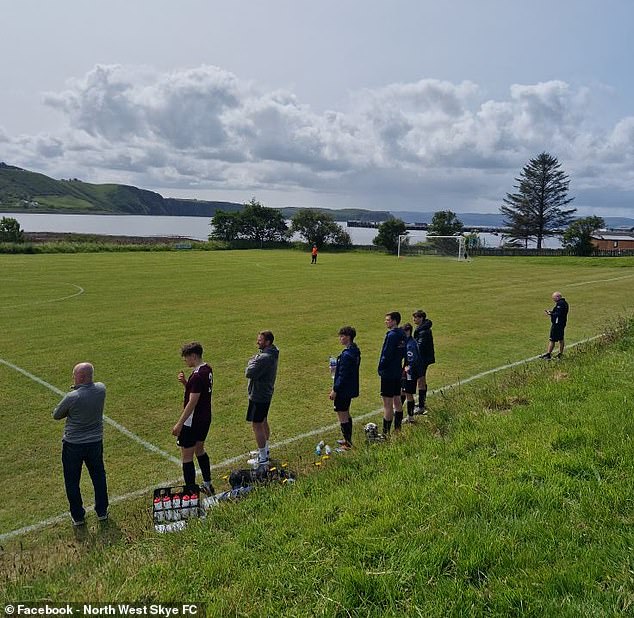
Like most football fans I watch plenty of games on Sky, but watching on Skye is much more rewarding. My pick of the island’s venues is at Uig, on the north of the island.
It’s provided a home to various teams over the years. When I visited in 2000 it was to see North End FC. They’re now long gone, but these days the Uig pitch is home to a team called North West Skye. It’s just a pitch, but a pitch with a lovely view. If you time it right you can also watch the ferry departing for, or arriving from, North Uist.
There is a challenge to watching a game in Uig though... midges. They can descend in their millions and devour anyone standing pitch side. You have to be made of stern stuff to withstand their onslaught for 90 minutes.
The other standout memory of my visit for a game was a camper who had erected his tent on the pitch. He moved before kick-off of course, and presumably reclaimed his spot after the final whistle. Whether he coped with the midges I don’t know.
If you time it right at Uig you can also watch the ferry departing for, or arriving from, North Uist - though beware of the midges!
20. Number One Ground, Chatham
Opened: N/A Home to: Royal Engineers AFC Capacity: C.800
Few people realise that several Victorian era FA Cup winning clubs are still playing today and have grounds you can visit.
Oxford University (1874 winners) still play university football, Old Etonians (1879 and 1882) and Old Carthusians (1881) compete against other public school old boys teams in the Arthurian League. And Royal Engineers (1875) play in forces football.
Of those the Sappers – as the Royal Engineers are known – have the best ground to visit. It may not be on the precise site of early FA Cup ties in the 1800s but it’s close enough. And, unlike some military venues, you can just walk up and go in to watch a game.
Of the Victorian era FA Cup winners, the Royal Engineers have the best ground to visit
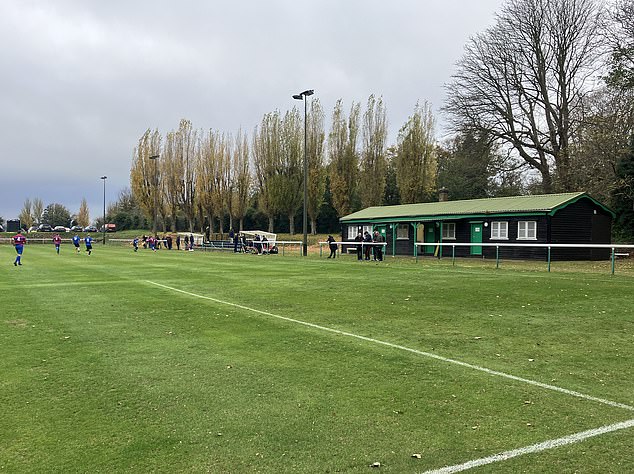
The Number One Ground, Chatham, may not be on the precise site of those 1800s Cup ties - but it's close enough
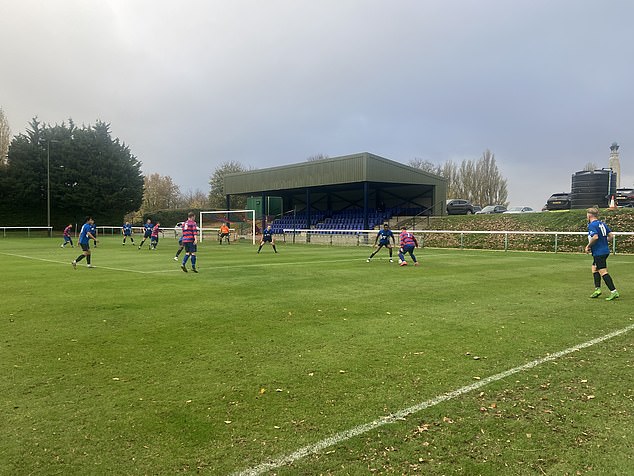
Most league matches, in the Army FA’s Massey Trophy, are on Friday mornings. The standard of football is surprisingly high, and Royal Engineers home games usually attract a handful of local enthusiasts, some military personnel, and the occasional groundhopper.
When I went the hosts even offered those of us watching a half-time cuppa.