
'/%3e%3cdefs%3e%3clinearGradient%20id='prefix__paint0_linear_4737_37157'%20x1='3.018'%20y1='23.6'%20x2='44.925'%20y2='24.977'%20gradientUnits='userSpaceOnUse'%3e%3cstop%20stop-color='%231CB7FF'/%3e%3cstop%20offset='.502'%20stop-color='%232FF58B'/%3e%3c/linearGradient%3e%3c/defs%3e%3c/svg%3e)

Liverpool's tragedy behind closed doors and the real toll of Jota's death on players
Nov 30 2025 10:16 · By Cally Brooks/Features Writer · 72 Reads


View 6 Images
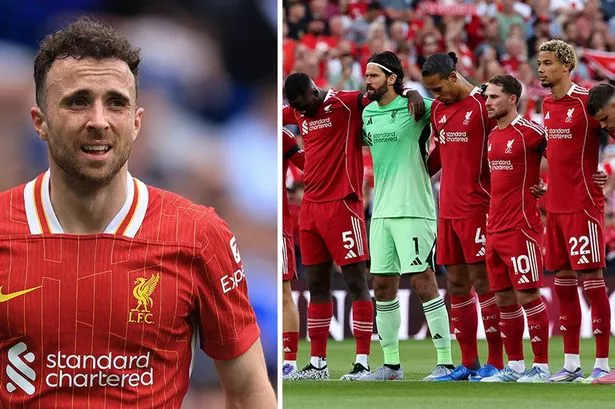
On paper, it's a sporting collapse of historic proportions. Liverpool FC, the team that lifted the Premier League trophy during scenes of joy in May, is currently enduring its worst losing streak since the 1950s.
Pundits are baffled, fans are frustrated, and manager Arne Slot is facing uncomfortable questions about his future. But inside the AXA Training Centre, the problem isn't a lack of fitness, a tactical misunderstanding, or a loss of talent.
Six months on from the devastating death of Diogo Jota , the emotional dam has finally burst. In an industry that demands players "dust themselves off" and play on, Liverpool’s stars are finding that grief cannot be outrun as experts believe they are struggling from collective trauma.
View 6 Images
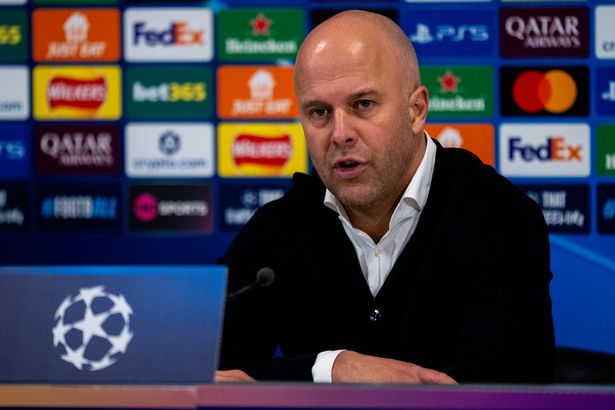
Diogo died aged 28 in a car crash in Cernadilla, Spain, leaving behind a widow and three children. His death sent shockwaves through the sporting community, with the footballer scoring 65 winning goals over five seasons for Liverpool.
While the league table shows a team in freefall, experts suggest the players are suffering from a collective trauma that has been largely ignored in the rush to start a new season.
"The biggest loss they are experiencing has been an 'elephant in the room' this season," explains Maria Bailey, founder of Grief Specialists.
"Loss after loss would knock the confidence of any professional footballer... but grief doesn’t end after the funeral. It isn’t just the immediate family who grieve. Grief doesn’t go away just because you’re at work."
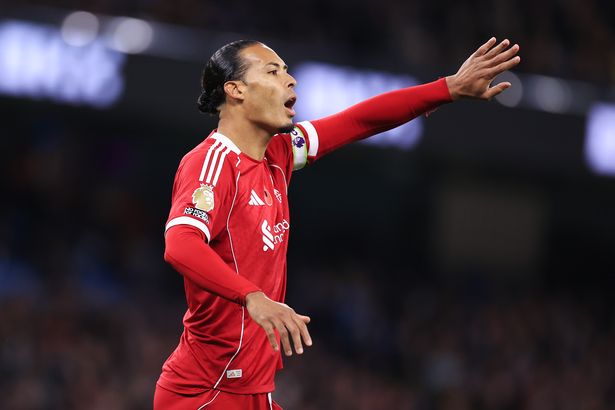
The cracks are showing in the players who were closest to Jota. Mohamed Salah, usually so reliable, is making mistakes he never normally makes. Captain Virgil van Dijk, the rock of the defence, looks unsure of himself.
View 6 Images
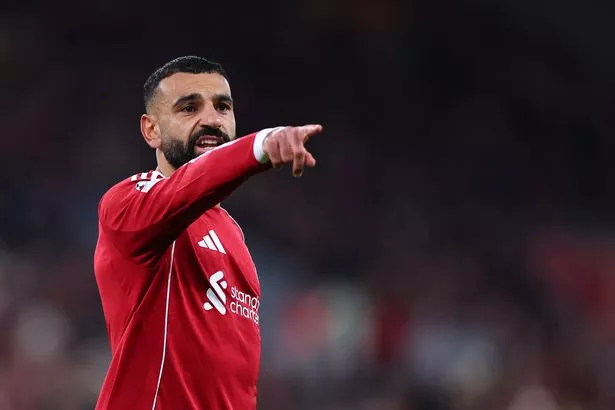
But it was Andy Robertson who laid the team’s true devastation bare this week. After Scotland qualified for the World Cup - a career pinnacle - Robertson admitted he was "in bits," not with joy, but because he couldn't get Diogo Jota out of his head.
"You could clearly see how emotional he was, displaying a very natural response to feelings of grief," Bailey notes.
In a recent interview on TNT Sports, former Liverpool midfielder and pundit Don Hutchison appeared visibly upset while discussing the squad's plight.
Fighting back tears, Hutchison admitted he was getting emotional just talking about the impact Jota's death was having on the players.
The desperation to fix the problems led to extraordinary scenes recently, with Captain Virgil van Dijk holding "crunch talks" at the training ground. Crucially, manager Arne Slot and his staff were excluded.
However, the talks failed to turn the tide. According to Chartered Counselling Psychologist Dr Jane Halsall, this is because the issue isn't footballing, it's psychological.
"Grief affects athletes in powerful ways: it disrupts concentration, decision-making, energy levels and emotional regulation," Dr Halsall explains. "Some players may experience shock, sadness or guilt... These reactions are normal, but they inevitably affect performance."
View 6 Images
Complicating matters is the "delicate dynamic" of a squad in transition. The summer transfer window brought new faces to Anfield - players who never knew Jota, now trying to integrate into the team.
"I can only imagine how they must be feeling, too," says Bailey. "They are outsiders to this loss, which might be adding to their performance issues, while trying to fit in with an existing team of Champions who are experiencing this huge hole in the team."
Dr Halsall adds: "New players may feel uncertain about how to support teammates, how much to acknowledge the loss, or how to establish their own place without overstepping. This creates a delicate dynamic in which the team is simultaneously mourning and rebuilding."
View 6 Images
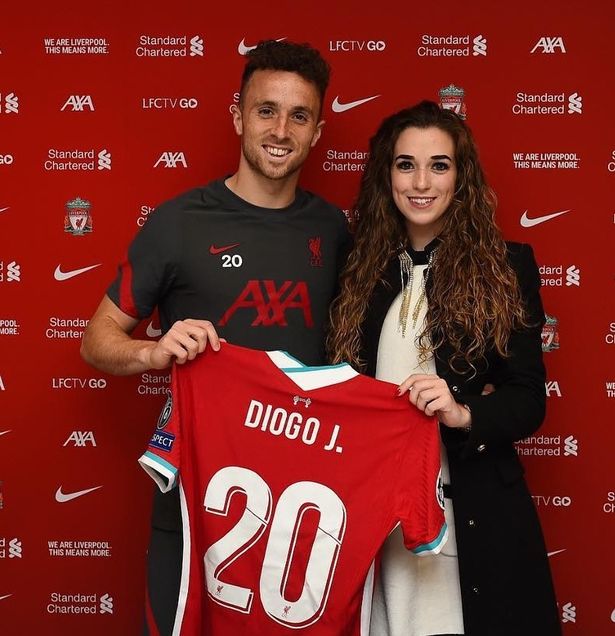
Caught in the middle of this emotional storm is manager Arne Slot. Hired to lead a title defence, he has instead found himself managing a collective bereavement. The pressure is visibly taking its toll.
Body language expert Judi James analysed Slot’s recent press appearances, describing a man who looks less like a general and more like a "disappointed and puzzled fan."
"The word 'solutions' itself seems to trigger a reflective and low emotional state here," James observes. "There is an 'Ahhh...' and then a sigh and a shrug. A sigh suggests hopelessness, and a shrug can appear dismissive."
View 6 Images
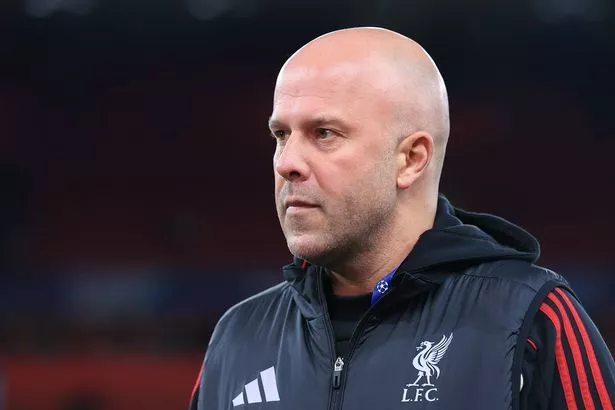
James notes micro-gestures of "horror" and anxiety rituals like chin-rubbing and collar-pulling. "His voice performs a dying fall... dipping down when it should maybe be injected with some 'going forward' energy."
It's been tipped that Fan favourite Jurgen Klopp , 58, who was replaced by Slot in the summer of 2024, could come back if Anfield chiefs finally lose patience with his successor.
If they approach Klopp, now Global Head of Soccer for Red Bull, it is likely he would only be asked to fill in until the end of the season.
Perhaps the most public symbol of the club's struggle is the ritual at the 20-minute mark of every match, where fans sing Jota’s song. As results have worsened, calls have grown to stop the tribute, with some suggesting it is keeping the wound open.
Maria Bailey disagrees. "Sweeping this gesture under the carpet might on the face of it seem like the right thing to do, [but] those players are thinking about him anyway," she says. "His song may provide a level of comfort rather than cause upset."
The consensus among experts is that Liverpool cannot train their way out of this slump, instead they need to come together to deal with their trauma.
"I would encourage the club to offer group sessions... where the team can share how they are really feeling in a safe space," advises Bailey. "Grievers need to be heard, not fixed."